

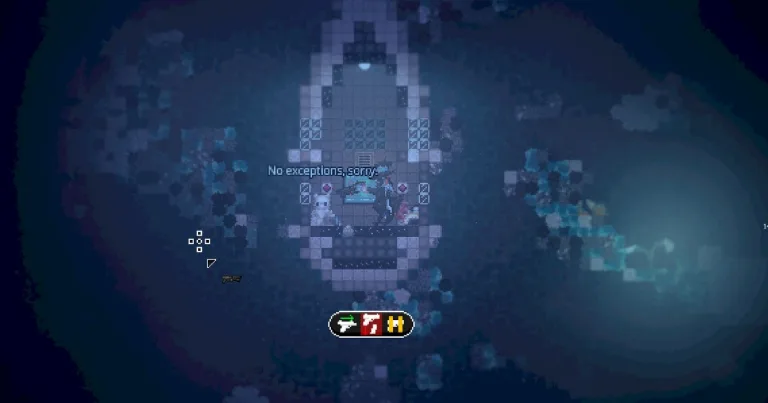

Casualties: Unknown is built around vulnerable characters, hostile caves, and the possibility that one bad decision can end a descent. For a survival game designed to punish mistakes, choosing the easiest difficulty might sound like avoiding the entire point. But following its November 9 release, Paradise raises an interesting question: what if lowering the difficulty helps players experience more of the horror?
Paradise Gives Players Time to Understand the Danger
Developed by Orsoniks and published by Oro Interactive, Casualties: Unknown sends players into an alien cave system where surviving requires considerably more than avoiding enemies.
The game simulates injuries, blood loss, infections, and other physical conditions that demand attention. Crafting, resource management, and even the character's mental state influence the chances of survival. Learning how these systems interact can be difficult when a single mistake threatens to end an entire run.
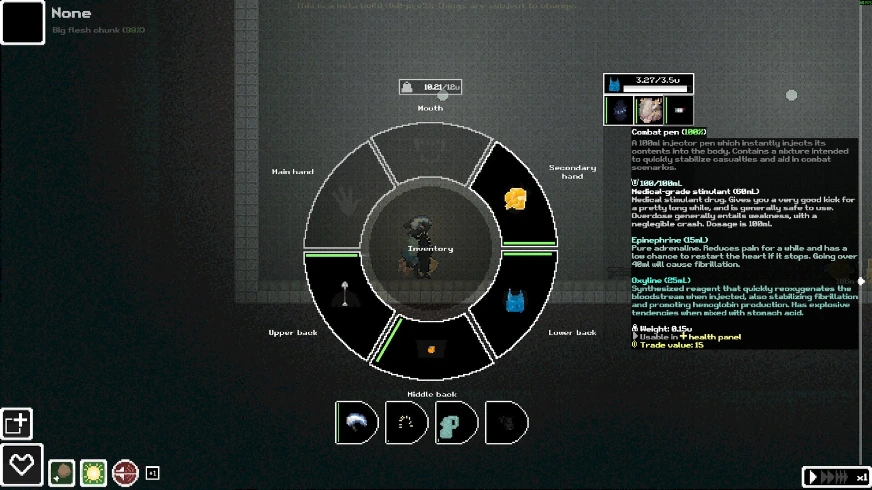
Paradise changes those conditions without removing the survival mechanics. Compared with the default difficulty, it provides more supplies, reduces environmental hazards, improves visibility, and extends the time available to explore each layer.
That extra breathing room serves a practical purpose. Instead of rushing through unfamiliar environments, players can experiment with crafting, understand medical treatments, and learn how to respond when something goes wrong.
Repeated failure can teach valuable lessons, but only when players understand what caused it. Dying before they have a reasonable chance to learn the mechanics risks turning a complex survival experience into a frustrating cycle of trial and error.
Easier Survival Does Not Remove the Horror
There is a reasonable argument for keeping the difficulty high. Resource scarcity, dangerous environments, and the constant threat of losing progress are important parts of what makes Casualties: Unknown unsettling.
However, making those threats less punishing does not necessarily make the experience harmless.
A character can still suffer injuries, face hostile conditions, and struggle to survive on Paradise. The difference is that players have more opportunities to react, recover, and understand the consequences of their decisions.
That distinction matters in a game where vulnerability is central to the experience. Horror does not have to come exclusively from repeated deaths. Watching a character deteriorate while desperately trying to keep them alive can be disturbing even when the difficulty is reduced.
The full release also expands the adventure beyond the demo's first five layers, bringing the descent to 11 layers with multiple endings. For players interested in discovering what lies deeper underground, a more forgiving difficulty can make that exploration more manageable.
Of course, those who enjoy the pressure of limited resources and punishing consequences may find the default or harder settings more satisfying. Reducing those challenges changes the experience, and not everyone will consider that an improvement.
But Paradise has a legitimate place in a game with so many interconnected systems. It allows players to approach the same hostile environment with more freedom to experiment and learn.
Casualties: Unknown does not need to punish every player equally for its survival mechanics to remain meaningful. Sometimes, surviving long enough to understand the danger is part of what makes it frightening.